What to Expect During a Health and Safety Site Inspection
A health and safety site inspection is an important way for businesses to identify workplace hazards, check whether existing safety measures are working and highlight areas where improvements may be needed.
But if you’ve never had a health and safety inspection before, you may be wondering: what actually happens during one?
From reviewing workplace conditions and working practices to checking documentation and speaking with employees, a site inspection provides a practical snapshot of how health and safety is being managed.
In this guide, we explain what to expect during a workplace health and safety inspection, what an inspector may look at and what happens afterwards.
What Is a Health and Safety Site Inspection?
A health and safety site inspection is a structured examination of a workplace, site or premises to identify hazards and assess whether appropriate control measures are in place.
Inspections can be carried out internally by a competent member of the organisation or by an external health and safety consultant.
They can be useful across almost every industry, including construction, manufacturing, warehousing, offices, retail and hospitality.
Regular inspections can help businesses identify problems early, monitor standards and take action before hazards contribute to an accident, injury or enforcement issue.
What Happens Before the Inspection?
Before attending the site, the person carrying out the inspection will usually establish some basic information about the business and the activities undertaken.
This might include the type of work being carried out, the number of employees, particular areas of risk and any relevant previous health and safety concerns.
Depending on the workplace, existing documentation may also be reviewed. This could include:
- Risk assessments
- COSHH assessments
- RAMS or method statements
- Previous inspection reports
- Accident and near-miss records
- Training records
- Equipment inspection records
Understanding the business beforehand helps ensure the inspection focuses on the risks that are actually relevant to the workplace.
What Does a Health and Safety Inspector Look For?
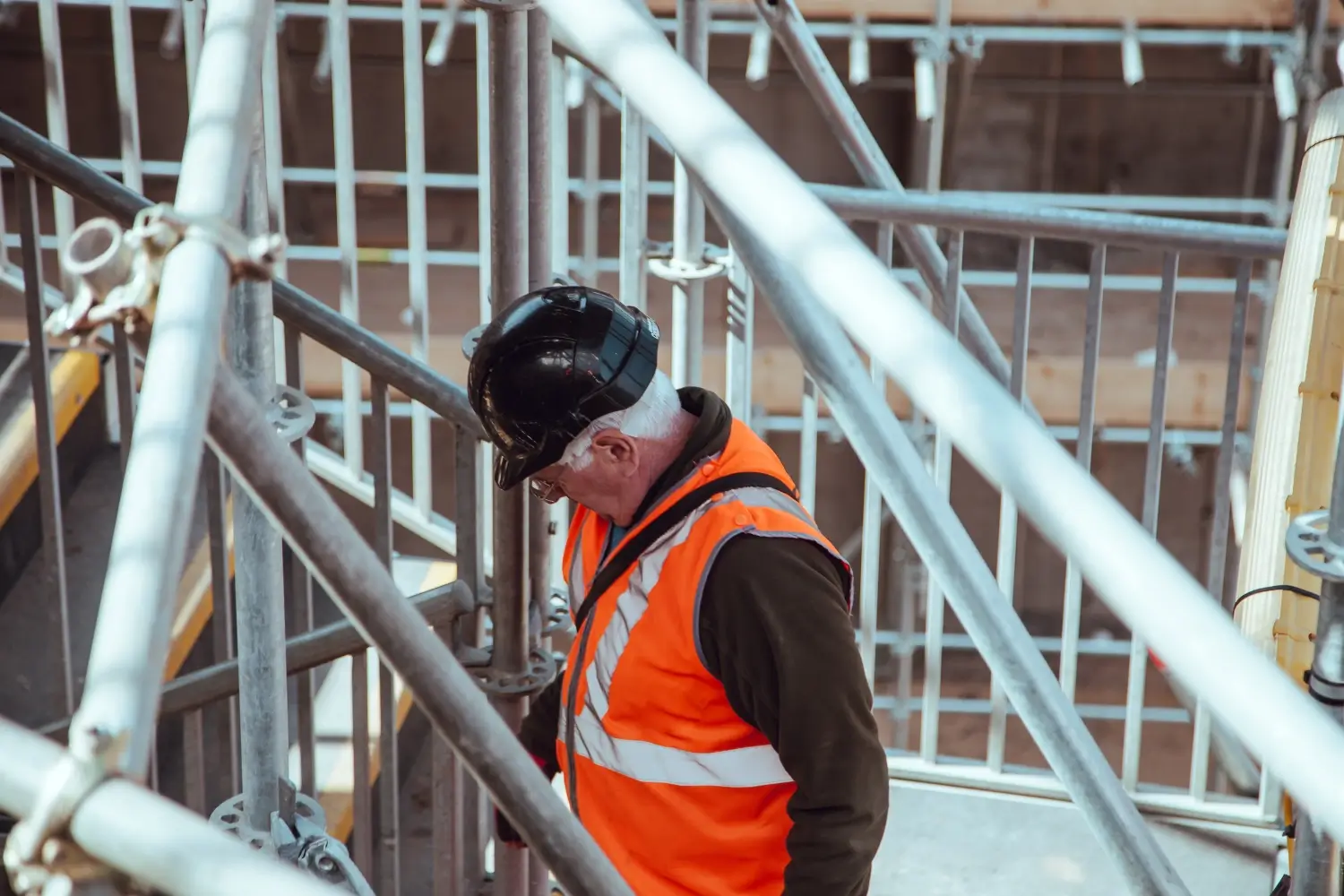
The inspection will usually involve walking around the workplace and observing the environment, equipment and working practices.
Exactly what is checked will depend on the type of business, but common areas can include:
Housekeeping and access – Are walkways clear? Are materials stored safely? Are there obvious slip or trip hazards?
Work equipment – Is equipment suitable, maintained and being used correctly? Are appropriate guards and safety devices in place?
Working at height – Where employees work at height, are suitable access equipment and precautions being used?
Manual handling – Are employees carrying out potentially hazardous lifting or moving activities, and have risks been appropriately controlled?
COSHH and hazardous substances – Are chemicals and hazardous substances properly stored, labelled and managed?
PPE and RPE – Is suitable protective equipment available, correctly selected and being used where required?
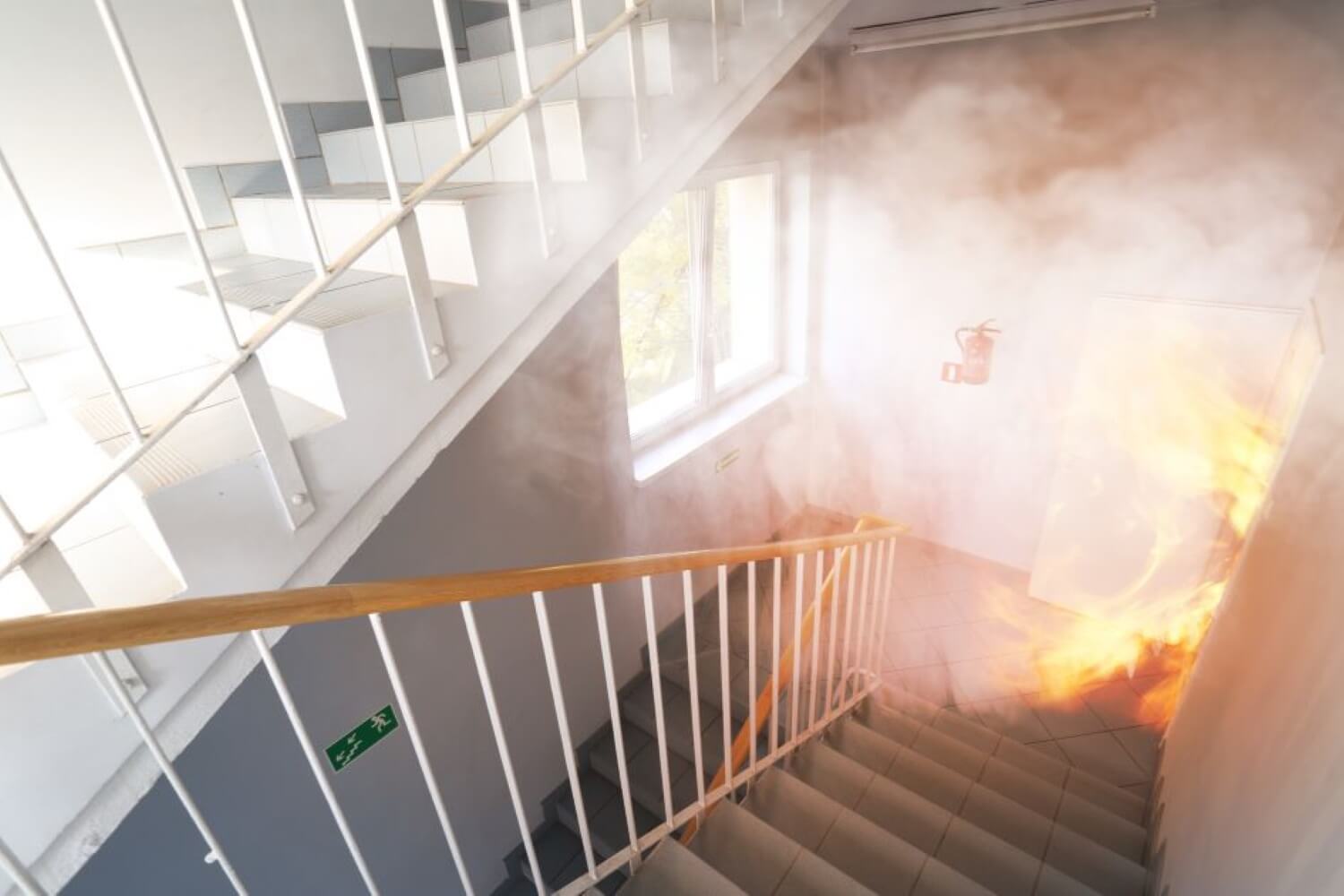
Fire safety – Are escape routes clear, fire doors unobstructed and appropriate emergency arrangements in place?
Welfare – Are suitable toilets, washing facilities, drinking water and rest arrangements available?
The inspector will also consider whether what happens in practice matches the organisation’s documented health and safety arrangements.
Need a Health and Safety Site Inspection?
At ROI Safety, we provide practical health and safety site inspections and audits to help businesses understand where they currently stand and identify areas for improvement. Our inspections focus on the risks relevant to your workplace and activities, providing practical advice and clear recommendations rather than a one-size-fits-all approach. Whether you require a one-off site inspection or ongoing health and safety support, we can help you identify what's working well, where improvements may be needed and which actions should be prioritised to strengthen your health and safety arrangements.
Will Employees Be Spoken To?
Potentially, yes.
Speaking to employees can provide useful insight into how health and safety arrangements work in practice.
Workers may be asked whether they understand the relevant risk assessments or procedures, whether they have received appropriate training and what they would do if they identified a hazard or unsafe condition.
This isn’t about trying to catch employees out.
It helps establish whether important health and safety information has been effectively communicated and whether employees understand the controls relevant to their work.
What About Health and Safety Documentation?
Documentation is an important part of effective health and safety management, but an inspection shouldn’t focus on paperwork alone.
An inspector may review whether appropriate risk assessments, COSHH assessments, training records, equipment inspections or other safety documentation are available and up to date.
They may also look for evidence that these arrangements are actually being implemented.
A perfectly written risk assessment is of little value if employees aren’t following the controls identified within it.
What Happens If a Problem Is Identified?
Finding an issue during an inspection doesn’t necessarily mean the workplace is unsafe overall.
The purpose of regular inspections is to identify problems so they can be corrected.
Some issues may be straightforward to resolve, such as removing an obstruction from a walkway or improving storage. Others may require further assessment, additional training, new procedures or changes to equipment.
Where a serious or immediate risk is identified, action may need to be taken straight away.
The important thing is that findings are recorded, prioritised and followed through to completion.
What Happens After a Health and Safety Site Inspection?
Following the inspection, businesses will normally receive a report outlining the findings.
A good health and safety inspection report should clearly identify areas of good practice as well as any hazards, non-compliances or opportunities for improvement.
Where actions are required, these should be clear enough for the business to understand:
- What the issue is
- Why action is required
- What needs to be done
- The priority or level of risk
- Who is responsible for completing the action
- When it should be completed
The business should then monitor outstanding actions and retain appropriate evidence once they have been completed.
Why Are Regular Health and Safety Inspections Important?
Workplaces change.
New equipment may be introduced, employees may change, working practices can develop and hazards that weren’t present six months ago can appear.
Regular workplace inspections provide an opportunity to check whether existing controls remain effective and identify new risks.
They can also help businesses demonstrate a proactive approach to health and safety, improve employee awareness and reduce the likelihood of workplace accidents and incidents.